
Expert dredging services for Florida CDDs, golf courses, and commercial properties
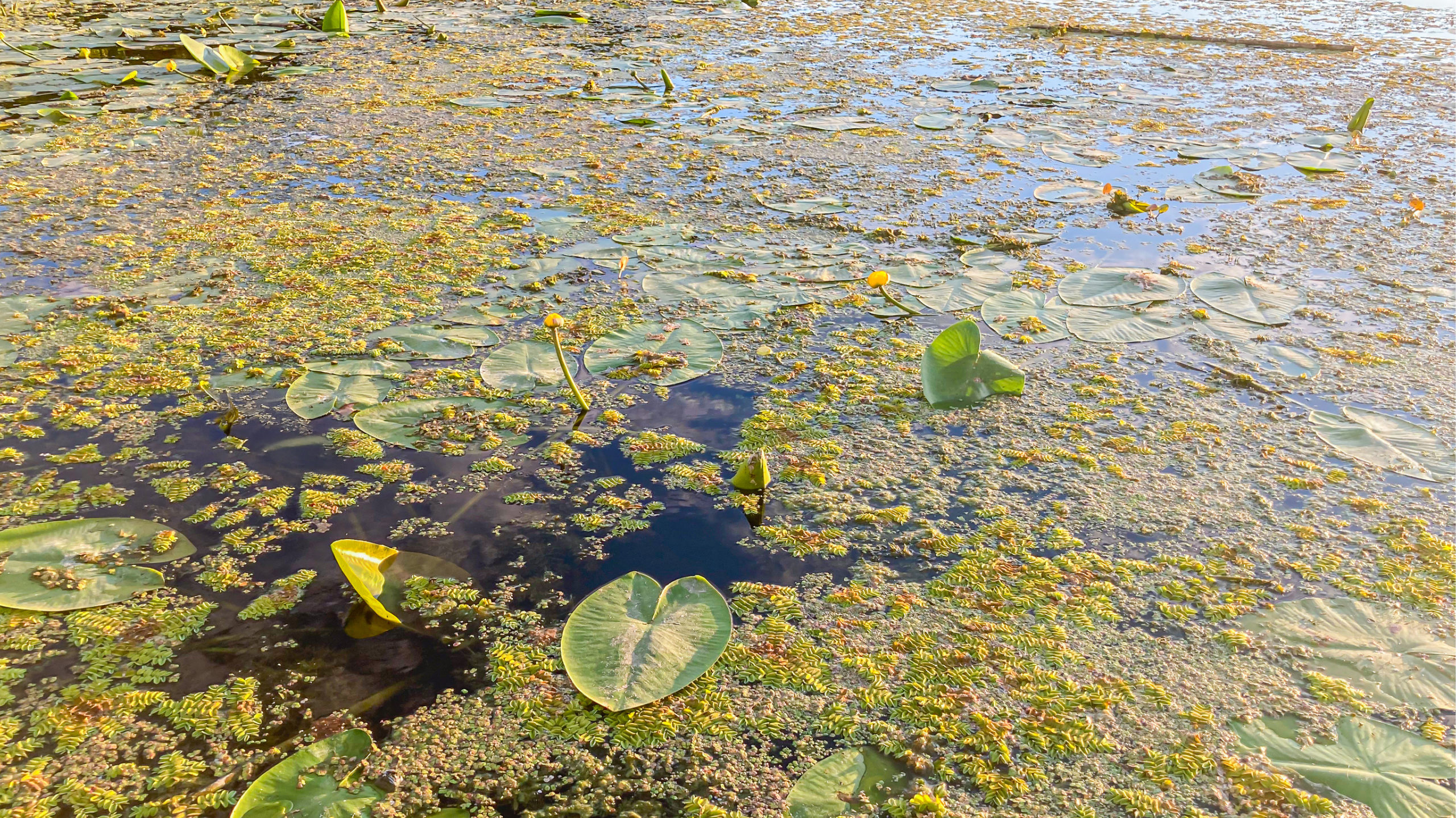
Florida's stormwater ponds lose depth every year. Summer storms, heavy rainfall, and nutrient-rich runoff carry sediment into your pond, and without intervention, that buildup compounds. Capacity shrinks, water quality declines, and compliance risk grows until the cost of waiting becomes unavoidable.
AllWater helps you get ahead of it with expert hydraulic dredging that restores depth, protects water quality, and keeps your system aligned with Florida stormwater requirements before a violation comes your way.

We don't just remove sediment, we restore what's underneath
If your pond keeps losing depth despite regular maintenance, the visible problem isn't the real one.
The root cause is usually years of accumulated sediment, organic muck, and compacted material that reduces storage capacity, stresses aquatic life, and puts your system at risk of failing a compliance inspection.
We identify exactly where your system stands with precision bathymetric mapping, then remove what's holding it back — so your waterbody functions at full capacity long after the project is complete.
Sediment doesn't wait for a convenient time
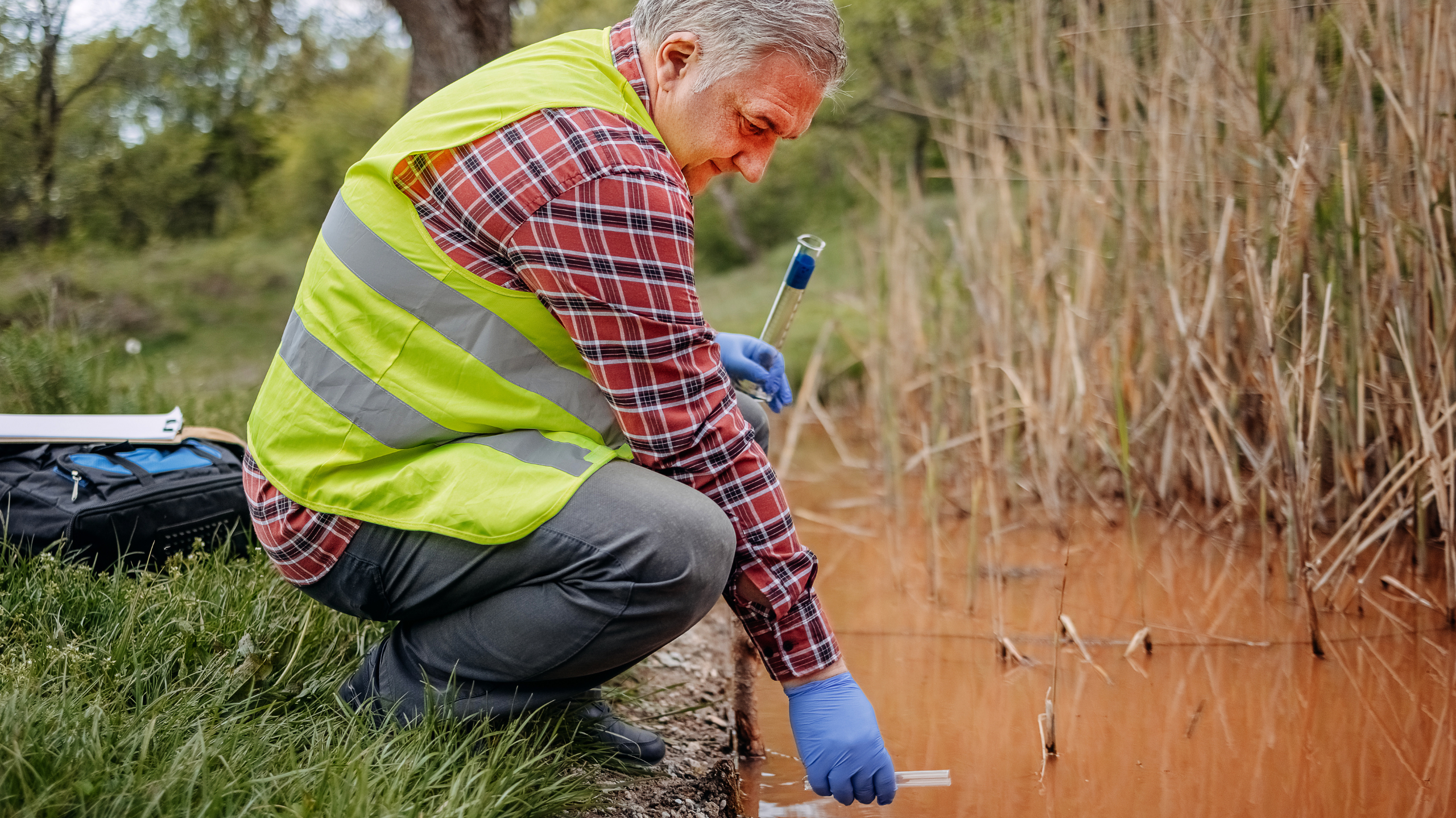
Ponds gain 1 to 3 inches of sediment every year in Florida's warm, wet climate. One heavy rain season and your pond can go from functional to non-compliant, impacting stormwater capacity, water quality, and your standing with regulators.
We use precision sonar bathymetric mapping to identify exactly how much sediment you have and where it's concentrated before it crosses the threshold that triggers violations. Removal is targeted and low-impact, focused on restoring capacity rather than temporarily masking the problem.
Dredging is easier and more affordable than you think — and your property stays open the whole time
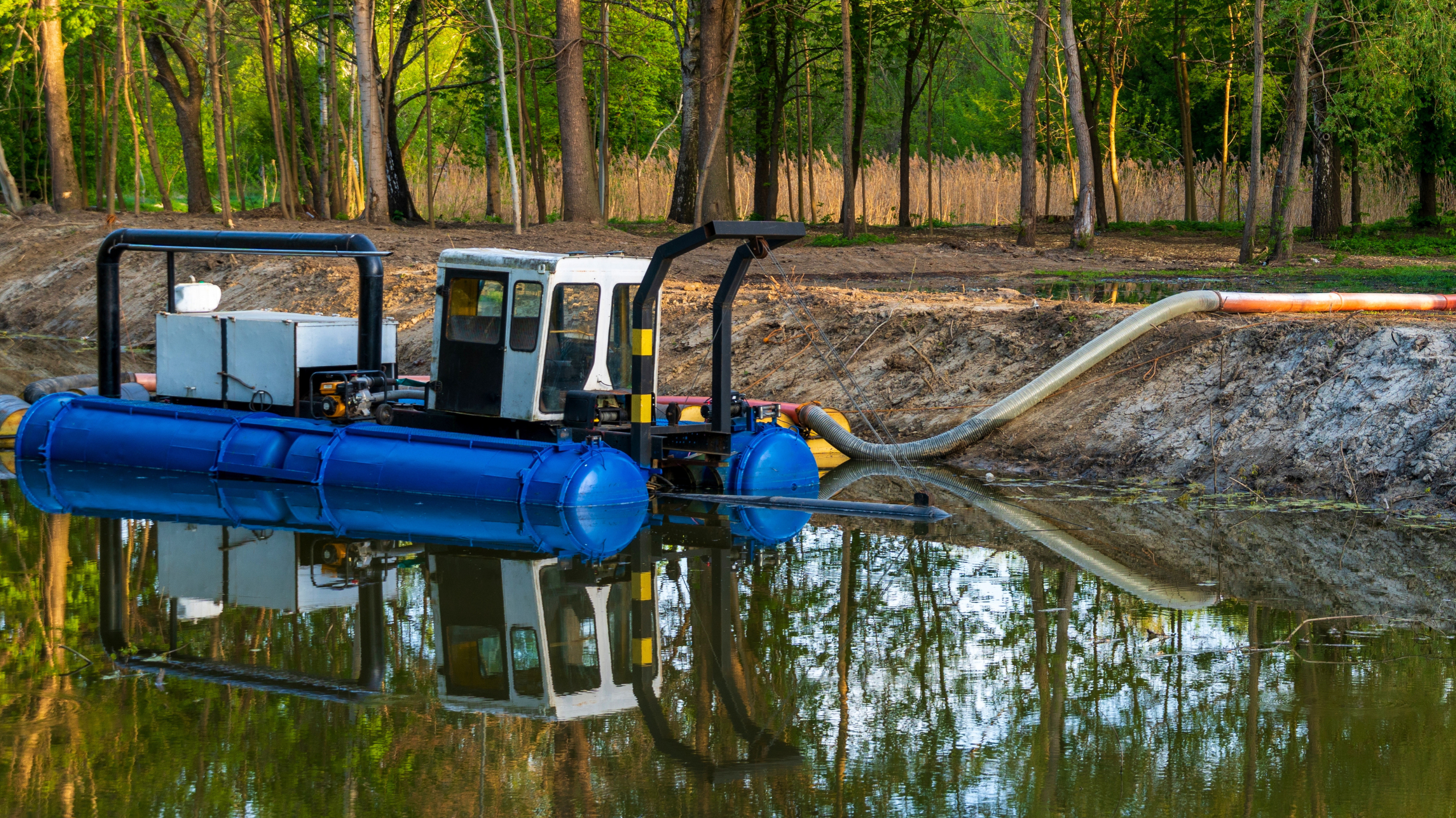
Dredging doesn't have to mean months of disruption or a drained pond. We map your system first with precision sonar bathymetry so you know exactly what you're dealing with, then build a removal plan around your pond's depth, access, and sediment type.
Your property stays in use the entire time.
You'll know exactly where your pond or lake stands before, during, and after
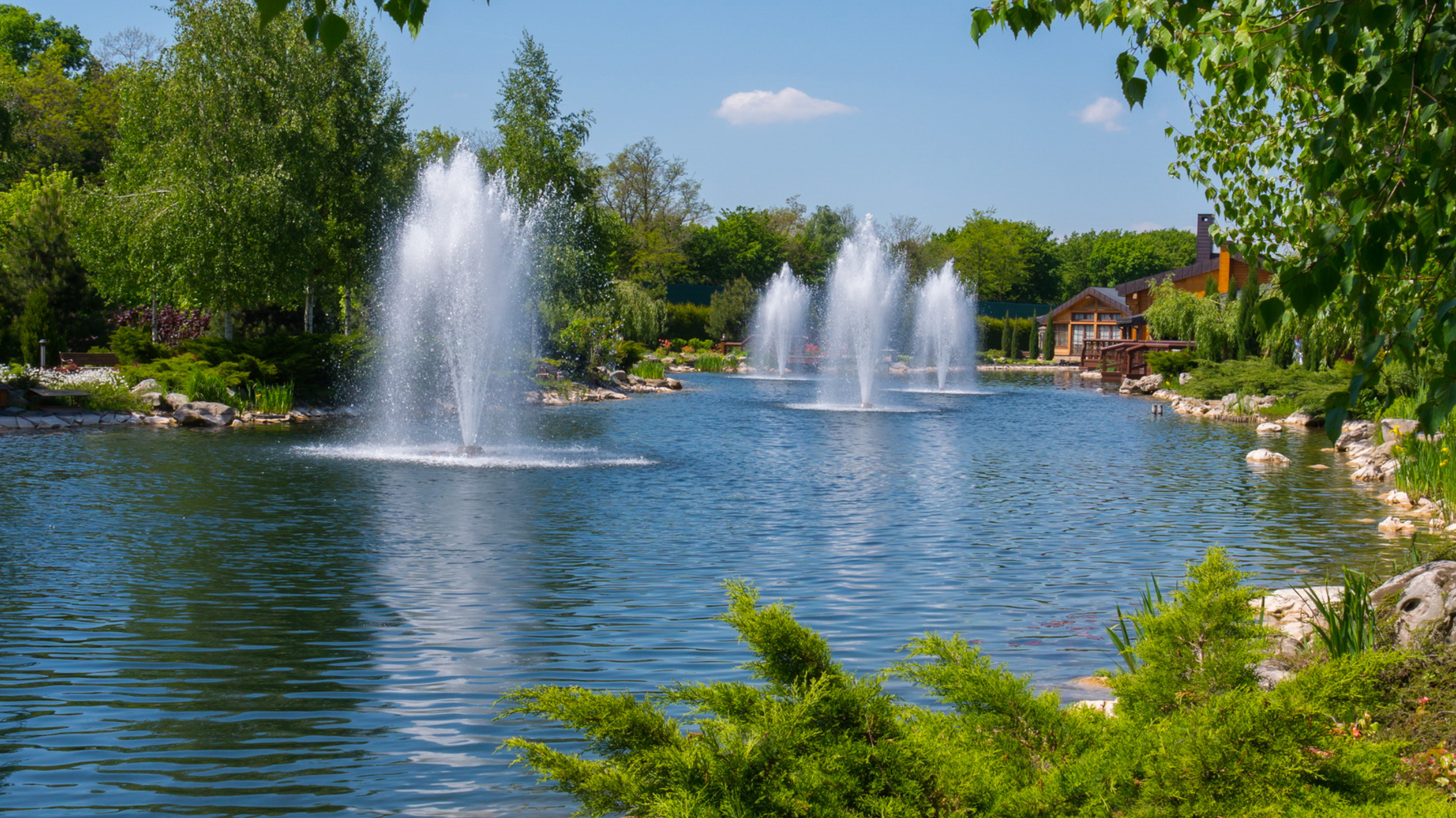
Most Florida dredging projects require coordination with FDEP and your local Water Management District under SB 7040 performance standards. We handle permitting, documentation, and agency coordination from start to finish, with pre- and post-dredge bathymetry that demonstrates compliance with SB 7040, NPDES, and Florida stormwater requirements.
On cost and timeline: most projects run approximately $50 per cubic yard, complete in days or weeks, and start with a free preliminary proposal before you commit to anything.
It's our standard, every time.
Not Sure where to Start? Get Answers From The Experts.
Managing a pond, lake, or stormwater system means staying ahead of maintenance, regulations, and seasonal changes, often without a clear roadmap. AllWater's free webinars give property managers, CDD managers, and aquatic professionals a no-cost way to get expert guidance on the issues that matter most to your water resources.
Frequently asked questions
How do I know if my pond actually needs dredging?
The most common signs are a pond that's visibly shallower than it used to be, persistent water quality issues despite regular treatments, recurring algae and vegetation problems, or a compliance notice from a regulatory agency.
A bathymetry survey gives you the definitive answer — it maps exactly how much sediment you have and whether you're approaching the 20% capacity loss threshold that triggers violations.
What is a bathymetry survey and what does it cost?
A bathymetry survey uses hydroacoustic sonar technology to map sediment volume and distribution across your entire water body.
It's far more accurate than manual probing and gives you the documentation regulators expect. The cost is $1,500–$2,500 and is credited toward your project if you move forward.
Will dredging disrupt my property or operations?
No. Hydraulic dredging is a low-impact process — your pond does not need to be drained, and your property stays in use throughout the project.
Equipment fits tight spaces and pipelines can cross roads, meaning most commercial, golf course, and residential properties experience minimal disruption.
How long does a dredging project take?
Most projects are completed in days or weeks, not months. Production rates average approximately 1,400 cubic yards per week per unit. Timeline varies based on project size, sediment volume, and site access.
What happens to the sediment once it's removed?
Sediment is pumped through pipelines into dewatering bags on-site. Once compacted, the material can be reused for landscaping, berms, or fill on your property, or hauled off-site for disposal — whichever works best for your site and budget.
What does dredging cost?
Projects typically run approximately $50 per cubic yard, though cost varies based on project size, site access, and disposal method. We offer a free preliminary proposal so you can get initial budgeting and scope before committing to a bathymetry survey.
What sets AllWater apart from other dredging companies in Florida?
We bring 50+ years of aquatic management experience, engineering-driven project planning, and in-house compliance support under one team.
Every project starts with precision bathymetric mapping, closes with post-dredge verification, and is backed by local knowledge of Florida state and local regulatory requirements.